How often should you inspect a rental property? A cadence that holds up
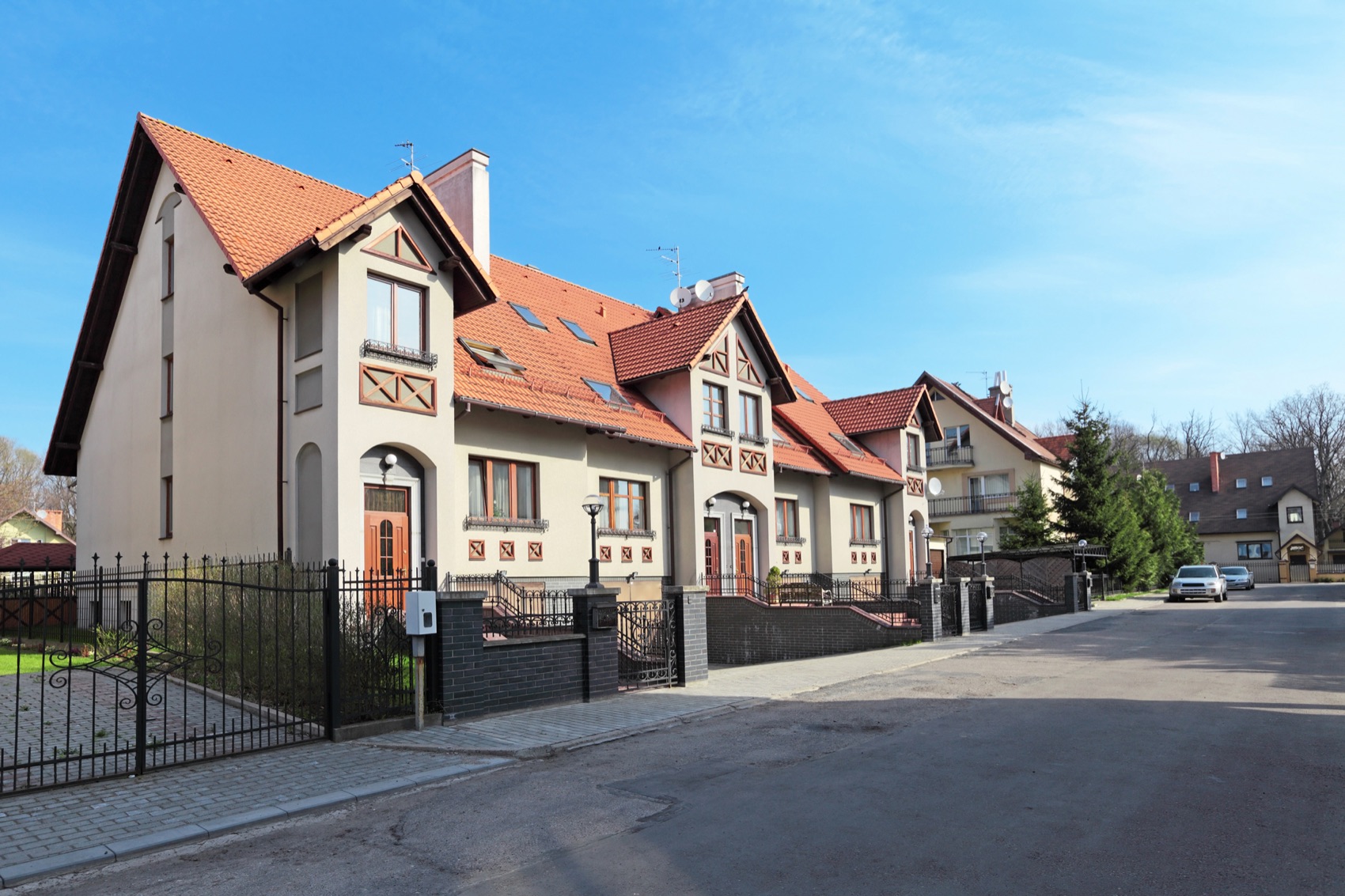
"How often should we be inspecting?" is the question every new property manager asks and almost nobody answers with a number. The honest answer is: it depends on the asset, the lease and the tenant — but "it depends" is how routine walks quietly stop happening. Here's a cadence that works for most portfolios, and how to keep it from slipping.
Start with the four walks that aren't optional
Whatever else you do, these happen on every unit:
- Move-in — the baseline. Every room, every appliance, every wall photographed. This is the document you'll wish you had at move-out.
- Move-out — the comparison. Same template, same order, side by side with move-in. Deposit conversations end quickly when the "before" photo is on the same page as the "after."
- Turnover / make-ready — after cleaning and repairs, before the next move-in. Otherwise the new resident's move-in inspection becomes your punch list.
- Annual — at minimum, once a year while occupied, on notice. Smoke/CO detectors, water heater, under-sink plumbing, HVAC filter, signs of unreported leaks or pests.
If your team only ever does these four, you're already ahead of most.
Then pick a routine cadence per property — not per portfolio
The mistake is a single rule for everything. A stable long-term tenant in a well-kept single-family home doesn't need what a high-turnover student building needs. Set the cadence on the property and let the schedule follow it:
| Situation | Routine walk |
|---|---|
| Long-term resident, no history of issues | Every 12 months (the annual) |
| Typical single-family or small multifamily | Every 6 months |
| High turnover, past lease violations, or an owner who wants eyes on it | Every 3 months |
| Common areas, mechanical rooms, roofs, parking structures | Monthly to quarterly, on a checklist that matches the space |
| Vacant units | Every 2–4 weeks — vacancy is when small leaks become big claims |
Two things make this stick. First, write the cadence down where the property lives (not in someone's head or a spreadsheet nobody opens). Second, have the system tell you what's due, so the walk is a line in a queue instead of a thing you remember on the drive home.
Give notice like you mean it
Routine walks in occupied units are entry, and entry has rules. Most states require reasonable written notice for non-emergency entry — commonly 24 hours; California, for example, sets 24 hours' written notice as the presumption. Check your state and your lease, then make notice part of the workflow: when a property comes due, the notice goes out; the walk is scheduled for a date after the notice period; the inspector sees "scheduled" rather than "due." A cadence you can't legally keep isn't a cadence.
What a routine walk actually checks (in 20 minutes)
Keep the routine template short — it's not a move-out. The point is to catch the things that get expensive when nobody looks:
- Water: under every sink, around the toilet base, water heater pan, washer hoses, ceilings below bathrooms.
- Life safety: smoke and CO detectors present and working, egress windows clear, GFCI outlets trip.
- HVAC: filter condition, thermostat works, condensate line draining.
- Exterior: gutters, downspout discharge, grading, exterior lights, decks and railings.
- Lease compliance: unauthorized occupants or pets, hoarding, unreported damage — noted factually, with a photo.
- Anything the resident reports while you're there. Write it down; it becomes a work order.
Rate items Good / Fair / Poor, photograph anything Fair or Poor, and stop. Twenty minutes, then on to the next unit.
Make the finding become the fix
The routine walk only pays for itself if Fair and Poor items turn into work. Whatever tool you use, the finding — with its photo — should become a work order in one step, get a trade and a priority, and show up as resolved (or not) on the next walk. If findings live in a PDF and fixes live in a text thread, the cadence produces documents, not results.
A realistic rollout
If you're starting from nothing, don't try to walk 200 units this month. Do this instead:
- Set every property's cadence today (most will be 6 or 12 months; flag the exceptions).
- Let the system show you what's overdue. Walk those first — that's where the risk is.
- Add the "next due" date to the owner statement. Owners rarely ask whether you inspect; they love seeing when.
- Review the cadence at renewal. A resident who's kept a spotless unit for two years can move to annual; a unit with two water calls this year moves to quarterly.
The goal isn't more inspections. It's the right inspections, on time, with the findings turning into fixes — and a record that shows it.
Want to see this in your own inspection workflow?
The Sitesui team will build a live template with you — no obligation.
Start free